
Feb 10, 2026
ActionStreamer
Top 7 Wearables of 2026
The wearable technology landscape has exploded in 2026, transforming how we capture and share our world. Gone are the days when recording meant holding up a smartphone or lugging around bulky equipment. Today's wearables seamlessly integrate cameras, AI assistants, and advanced optics into devices you can wear all day without a second thought.
Whether you're a content creator looking for the perfect POV shot, a professional needing reliable documentation, or simply someone who wants to capture life's moments hands-free, 2026's lineup of video-capable wearables offers something revolutionary. Here are the seven standout devices redefining personal video capture.
1. HTC VIVE Eagle: The AI-Powered Translation Companion
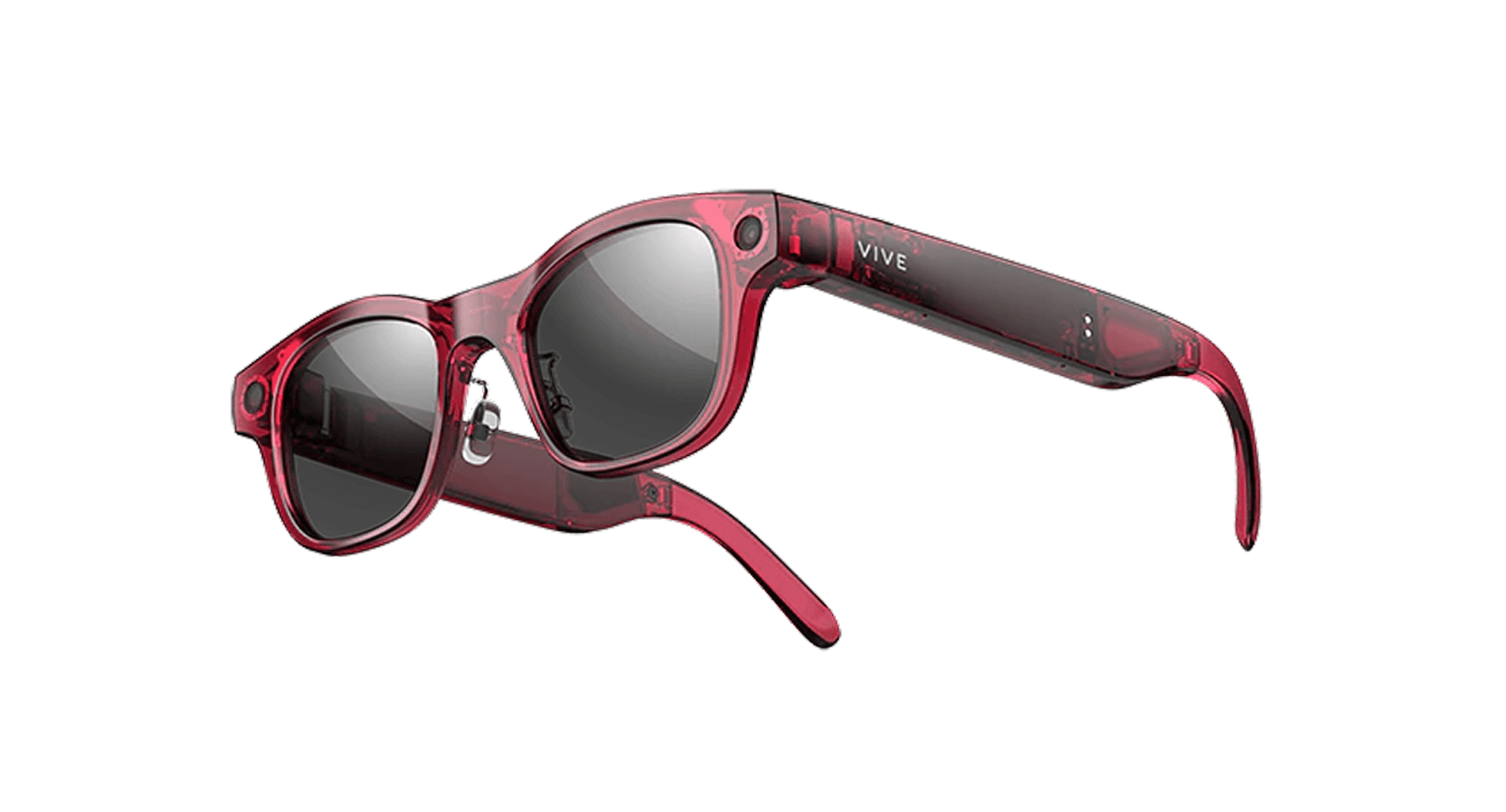
The HTC VIVE Eagle represents a compelling entry into the AI smart glasses market, launching first in Taiwan in September 2025 with global expansion planned throughout 2026. Coming to Europe and the US between mid-2026 and Q3, these glasses blend fashion-forward design with serious technology.
What Makes It Special: At just under 49 grams, the VIVE Eagle houses a 12MP ultra-wide camera capable of capturing 3024 x 4032 pixel photos and 1512 x 2016 video at 30fps. But the camera is just the beginning. The real magic happens with the integrated AI assistant, which can access both Google Gemini and OpenAI's GPT models (in beta).
The standout feature is real-time translation across 13 languages. Point your glasses at a menu in Tokyo or a street sign in Paris, and VIVE AI translates it instantly into spoken audio. No fumbling with your phone, no breaking stride—just seamless communication with the world around you.
Recording Experience: Activate the camera with a simple "Hey VIVE, take a photo" voice command. The AI-powered horizon alignment ensures your shots are level, while the first-person perspective captures exactly what you're seeing. With features like automatic scene detection and smart framing, the Eagle makes everyone a capable photographer.
Key Specs:
12MP camera with horizon alignment
4GB RAM, 32GB storage
Up to 4.5 hours continuous music playback, 36+ hours standby
Qualcomm Snapdragon AR1 Gen 1 chipset
Four beamforming microphones
Privacy-first architecture with on-device data storage
Available in Black, Coffee, Berry, and Grey
Price: Approximately $520
The VIVE Eagle prioritizes privacy with military-grade AES-256 encryption and local data storage—nothing uploads to the cloud unless you choose to share it. This privacy-first approach, combined with practical AI features, makes it a compelling alternative for users wary of Meta's data practices.
2. Meta Ray-Ban Display: Smart Glasses Meet Augmented Reality
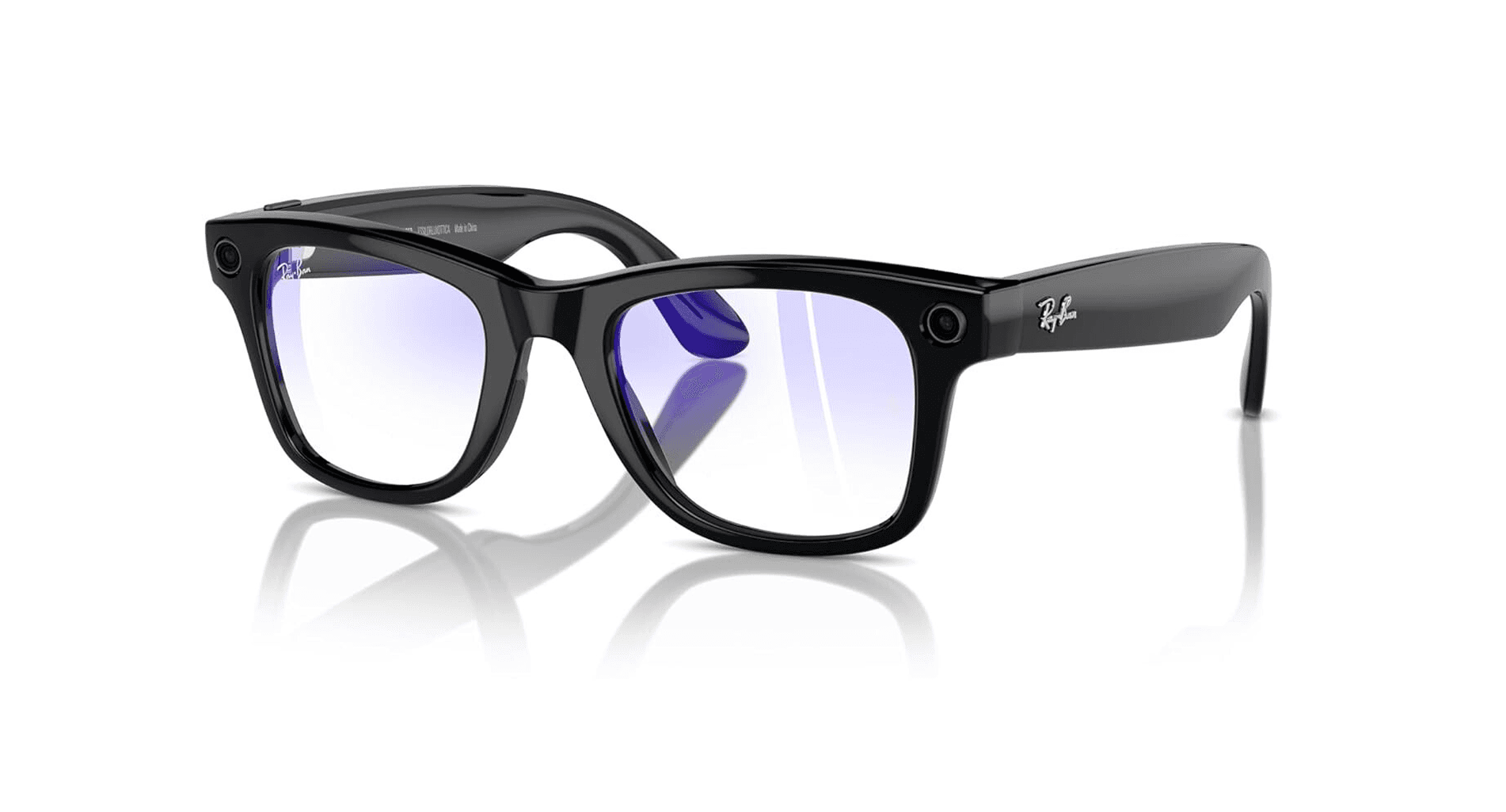
If you thought the original Ray-Ban Meta glasses were impressive, the Display model takes things to an entirely new level. Launched in September 2025 in the US with high demand already creating waitlists extending into 2026, these glasses represent Meta's most ambitious wearable yet.
The Display Difference: Unlike audio-only smart glasses, the Ray-Ban Display features a full-color, high-resolution monocular display embedded in the right lens. This micro-LED display projects information directly into your field of view—navigation directions, message notifications, live translations, and even a viewfinder for your camera shots.
The display uses geometric waveguide technology to create sharp, bright visuals that appear and disappear on demand. When you're not using it, you'd never know it's there. When you need it, crucial information floats naturally in your vision without obstructing your view of the real world.
The Neural Band Revolution: Perhaps the most innovative aspect is the Meta Neural Band—an EMG wristband that reads subtle muscle movements in your wrist and translates them into commands. Pinch your fingers to accept a call. Rotate your hand to zoom while taking photos. This electromyography technology represents a genuine leap forward in human-computer interaction.
Recording Capabilities: The 12MP camera now includes a 3x zoom (controlled via Neural Band gestures) and a viewfinder displayed on the lens. You can frame your shots perfectly, see exactly what you're capturing, and even conduct two-way video calls where you see the other person on your display while they see your perspective.
Key Features:
12MP camera with 3x zoom and viewfinder
Monocular display (600x600 resolution)
Meta Neural Band for gesture control
Live captions and real-time translation
Pedestrian navigation in 32+ cities
Up to 6 hours mixed-use battery life
Transitions lenses for indoor/outdoor use
Price: $799 (includes Neural Band)
The Ray-Ban Display is currently facing supply constraints due to overwhelming demand, with international expansion to Canada, France, Italy, and the UK paused until production catches up. This is either the best endorsement of the product or a sign that Meta underestimated interest in display-equipped smart glasses.
3. Apple Vision Pro (M5): Spatial Computing Redefined
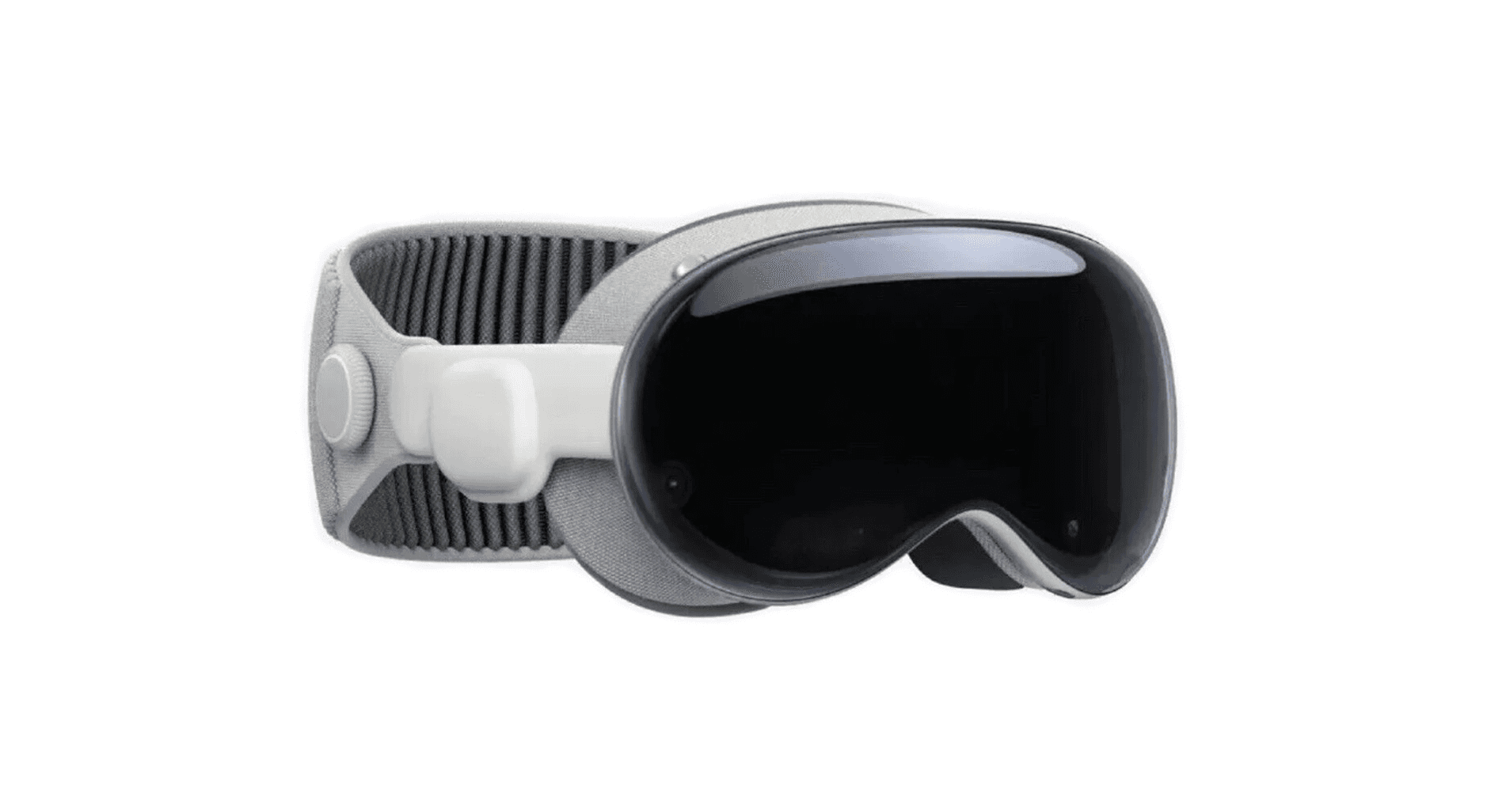
Apple's Vision Pro received a significant upgrade in October 2025 with the introduction of the M5 chip, transforming an already impressive spatial computer into something truly remarkable. While it's the bulkiest device on this list, its video capture capabilities and immersive recording features are unmatched.
M5 Performance Leap: The M5 chip delivers 10% more pixel rendering capability, resulting in sharper images and crisper text across the ultra-high-resolution displays (more pixels than a 4K TV for each eye). The chip enables refresh rates up to 120Hz, dramatically reducing motion blur when looking at your physical surroundings or using Mac Virtual Display.
The 16-core Neural Engine powers AI features up to 50% faster than the previous generation, making tasks like capturing Personas or transforming photos into spatial scenes nearly instantaneous.
Immersive Video Capture: Vision Pro captures spatial photos and videos that transport you back to special moments with incredible depth and dimensionality. Combined with Spatial Audio, these recordings create an immersive experience that traditional 2D video simply can't match. The device can also capture content from supported action cameras (GoPro, Insta360, Canon) in 180-degree, 360-degree, and wide field-of-view formats.
visionOS 26 Enhancements: The latest operating system introduces spatial scenes that use generative AI to add lifelike depth to regular 2D photos, widgets that integrate seamlessly into your space, and dramatically improved Personas that feel more natural and familiar. For content creators, these tools open entirely new creative possibilities.
Recording Features:
Spatial photo and video capture
Support for wide field-of-view content from action cameras
Apple Immersive Video playback (8K, 180-degree 3D)
Enhanced Center Stage front camera
Integration with iPhone for spatial video capture
Key Specs:
Apple M5 chip with 16-core Neural Engine
Micro-OLED displays with 23+ million pixels
12MP front-facing camera
Dual Knit Band for improved comfort
Up to 2.5 hours continuous recording
Price: Starting at $3,499
While Vision Pro isn't a traditional wearable you'd use walking down the street, it represents the cutting edge of immersive video capture and spatial computing. The newly launched YouTube app even supports 8K playback on M5 models, and live NBA games are now available in Apple Immersive format—showing the platform's growing ecosystem.
4. Samsung/Google Android XR Glasses: The Gemini-Powered Future
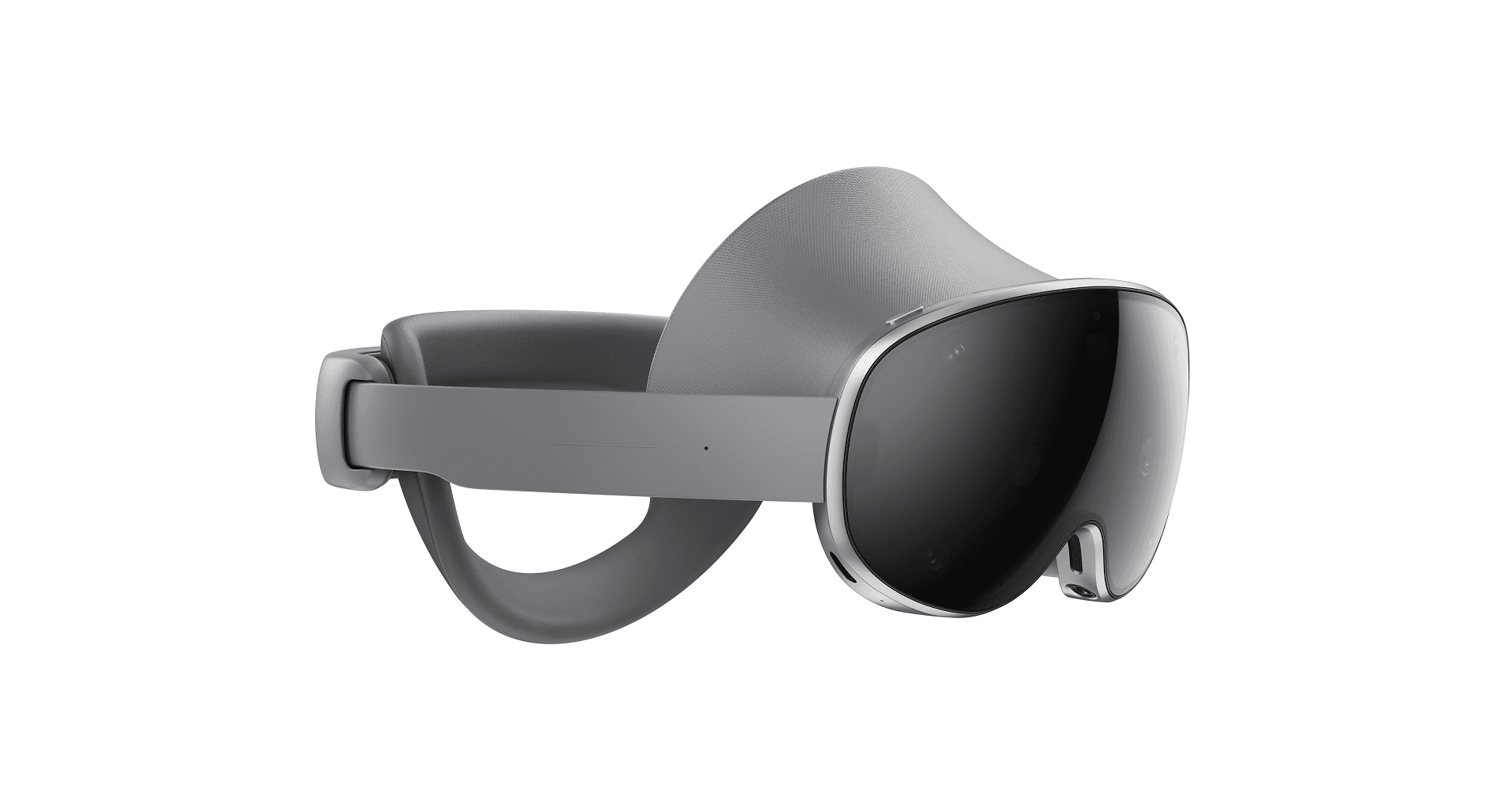
Samsung officially confirmed during its Q4 2025 earnings call that its next-generation AR glasses will launch in 2026, marking a major milestone in the Android XR ecosystem. Developed in partnership with Google, Warby Parker, and Gentle Monster, these glasses represent the most significant competition yet to Meta's dominance.
The Android XR Advantage: Unlike proprietary ecosystems, Android XR glasses will offer deep integration with Google's services and AI. Gemini Live provides real-time visual understanding, meaning the glasses can identify objects, translate text, provide contextual information, and assist with tasks—all through natural conversation.
Early reports suggest Samsung is developing two models: one with an in-lens display (similar to Meta Ray-Ban Display) and a more basic model focused on audio and camera functionality.
Expected Features: Based on leaks and announcements, the Samsung Android XR glasses are expected to include:
12MP camera with autofocus
In-lens monocular display (on premium model)
Gesture-based controls
155mAh battery
Qualcomm AR1+ Gen 1 chipset with on-device AI
Full Android XR OS integration
The Recording Angle: With Gemini's multimodal capabilities, these glasses won't just record—they'll understand what they're recording. Ask them to "take a photo of that building and tell me about its architecture," and they can do both simultaneously. The camera becomes a gateway to information, not just a capture device.
Ecosystem Integration: Unlike Meta's approach, Android XR glasses will work seamlessly with both Android AND iOS devices, with full Gemini AI assistant support across platforms. This cross-platform compatibility could be a game-changer for users invested in multiple ecosystems.
Expected Launch: Second half of 2026
Expected Price: Around $1,000 (based on similar XR devices)
The combination of Google's AI expertise, Samsung's hardware prowess, and the openness of the Android XR platform makes these glasses one of the most anticipated launches of 2026.
5. ActionStreamer: Enterprise-Grade Live Streaming Wearables
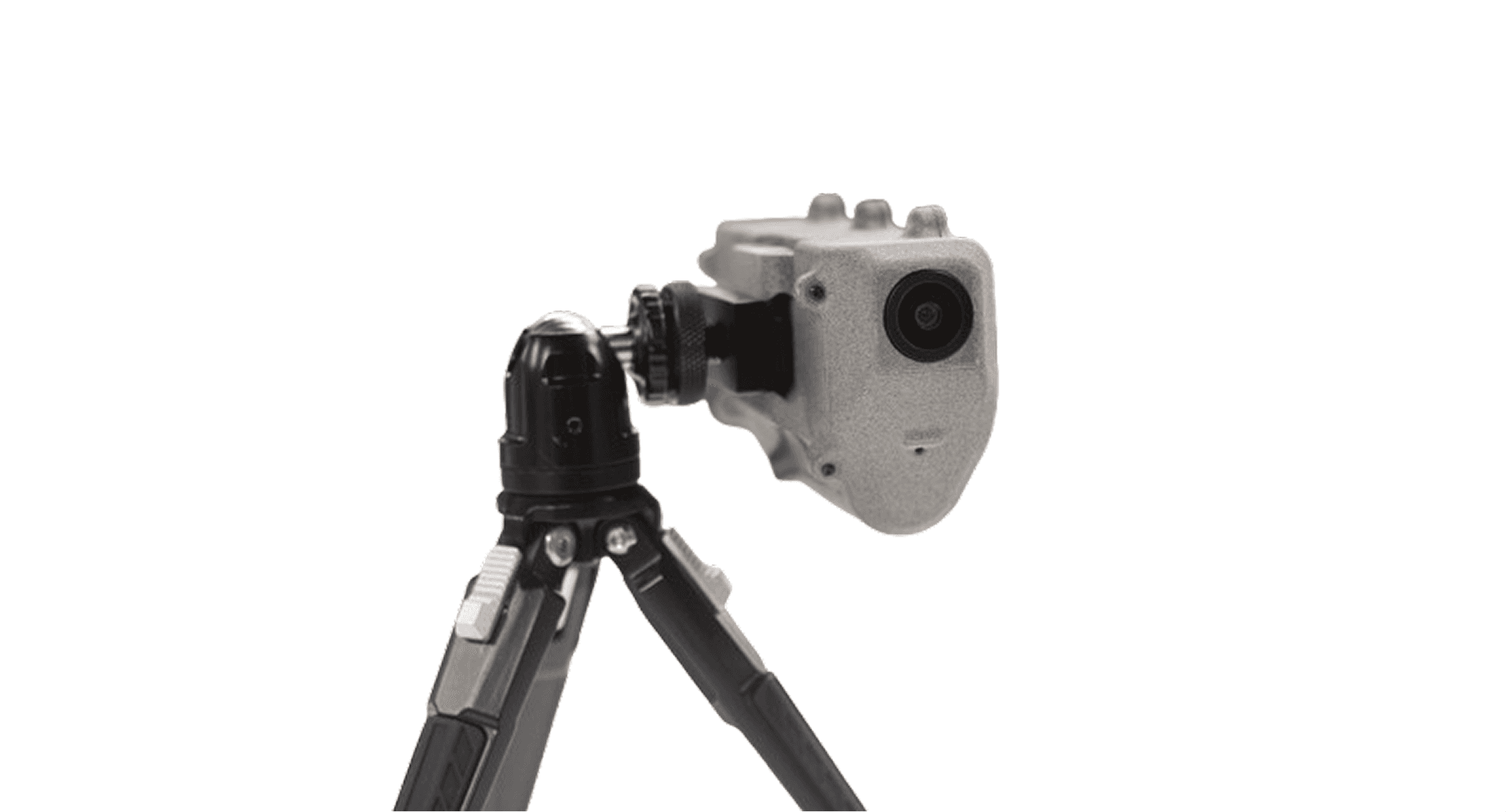
While consumer smart glasses dominate headlines, ActionStreamer represents the professional-grade solution for mission-critical live streaming applications. Built for frontline workers, first responders, military operations, and industrial enterprises, ActionStreamer's wearable platform delivers real-time video intelligence where it matters most.
Flexibility in Form Factors: What sets ActionStreamer apart is its adaptive approach to wearable cameras. Rather than forcing users into a one-size-fits-all solution, ActionStreamer builds custom wearable technology that integrates seamlessly with existing gear and equipment:
Helmet Cameras: Designed for firefighters, construction workers, and tactical teams, these cameras integrate directly into safety helmets without compromising protection or comfort. The ruggedized design withstands extreme temperatures, impacts, and environmental hazards while maintaining live streaming capabilities.
Hat Cameras: Ultra-lightweight POV units that can be embedded into hard hats, protective headwear, or inspection caps for workers who need hands-free documentation in industrial environments.
Respirator Cameras: For HAZMAT teams and industrial workers operating in confined spaces or hazardous environments, ActionStreamer creates camera modules that integrate with breathing apparatus and protective equipment, enabling safe documentation even in contaminated zones.
Fixed Installations: Vehicle-mounted systems for fleet monitoring, mobile command centers, patrol vehicles, and facility perimeter surveillance.
Enterprise Software & Networking: The hardware is just the beginning. ActionStreamer's real power lies in its end-to-end managed service and proprietary networking technology:
Patented Bandwidth Management: With over 10 patents on efficient spectrum usage, ActionStreamer can operate 10+ camera-transmitter units simultaneously in challenging RF environments. The system operates in less-congested 3.5GHz and 5GHz bands, treating available spectrum as a network-wide resource allocated dynamically to each unit.
Real-Time Streaming Architecture: Unlike traditional body cameras that record for later review, ActionStreamer delivers live video with minimal latency over 5G, LTE, WiFi 6, or custom networks. Footage streams directly to tablets, command centers, or control rooms in real-time.
ActionStreamer API: Available in Python3, .NET, C, and JavaScript for Windows, macOS, Linux, iOS, and Android, the comprehensive development kit enables systems integrators to build custom solutions. Developers get full control over live video and data flow, with seamless integration into existing workflows.
Multi-Platform Support: The platform manages device health, triggers events, records offline backup, and integrates with third-party analytics and security systems.
Real-Time Video Tagging: As video streams, AI processes each frame to detect and label key elements—personnel, equipment, environmental conditions, and activities. Tags are embedded directly into the live feed, providing context-aware data without manual review.
Object Recognition: The system identifies objects, tracks equipment, monitors personnel movements, and detects environmental changes with high accuracy. In manufacturing, it can track machinery and detect anomalies. In security operations, it identifies specific individuals and unusual patterns.
Instant Search & Retrieval: Every frame is indexed with AI-generated metadata, enabling instant search across live and recorded footage. Need to find when a specific piece of equipment appeared? Search by object tag rather than scrubbing through hours of video.
Situational Awareness: Operators receive immediate insights embedded in the live video feed, enabling faster decision-making without waiting for post-event analysis.
Professional Specifications:
1080p/60fps video capture and transmission
IP67-rated (dustproof, waterproof, impact-resistant)
5G, LTE, and WiFi 6 connectivity
Live cloud streaming and local recording
Bi-directional communication capabilities
Digital gyroscope for image stabilization
Custom networking for industrial and mission-critical environments
Enterprise-grade encryption and security
Real-World Applications:
Public Safety & Defense: First responders and tactical teams rely on ActionStreamer for mission-critical operations. Firefighters stream live video from inside burning structures to incident commanders, providing real-time situational awareness that informs tactical decisions and ensures crew safety. Military and law enforcement use the secure, encrypted platform for reconnaissance, training documentation, and operational coordination in environments where reliable communication can mean the difference between success and failure.
Industrial Operations: In manufacturing, energy, and construction, ActionStreamer transforms how organizations manage complex operations. Utility workers conducting high-voltage inspections stream footage to remote experts who can guide procedures in real-time. Oil and gas technicians working on offshore platforms provide live video feeds to onshore engineering teams. The AI-powered object detection identifies equipment anomalies, tracks compliance with safety protocols, and documents maintenance procedures automatically.
Connected Facilities: Facility managers leverage ActionStreamer's wearable cameras and AI analytics for security monitoring, maintenance coordination, and emergency response. The platform integrates with existing building management systems, access control, and security infrastructure. When an incident occurs, security personnel wearing ActionStreamer cameras provide live feeds to control centers while AI tags relevant events and personnel in real-time.
Connected Workers: From aerospace manufacturing to warehouse logistics, ActionStreamer bridges the gap between frontline workers and remote expertise. Technicians troubleshooting complex machinery can stream their perspective to senior engineers thousands of miles away. HAZMAT teams operating in contaminated zones maintain constant communication with safety coordinators. The platform enables knowledge transfer, reduces downtime, and keeps distributed teams coordinated regardless of location or environmental challenges.
Price: Enterprise/Professional pricing (custom based on deployment scale and requirements)
ActionStreamer represents the future of professional wearable video: not just recording what happens, but transforming live video into intelligence that enables better decisions in real-time. For organizations where video quality, reliability, and real-time access are non-negotiable, ActionStreamer sets the standard.
6. Axon Body 4: Professional-Grade Body Camera
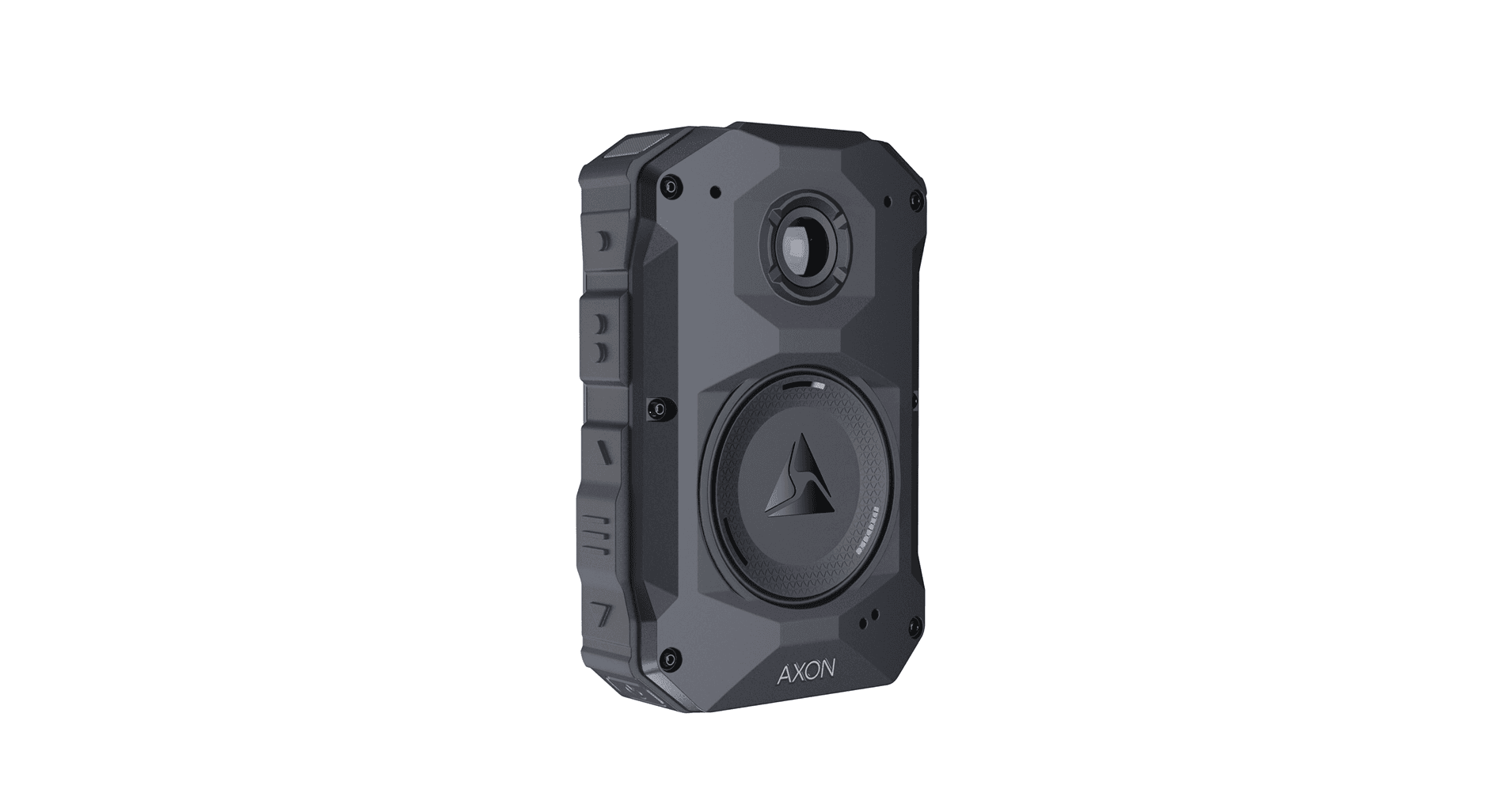
While the previous entries focus on consumer and enthusiast markets, the Axon Body 4 represents the gold standard in professional body-worn cameras. Used by law enforcement, security personnel, and increasingly by field workers across industries, it sets the benchmark for reliability and features.
Professional Features: The Body 4 isn't just about recording—it's about creating a complete ecosystem for safety, accountability, and communication. With real-time streaming capabilities, bi-directional communication, and automatic evidence management, it goes far beyond simple video capture.
Recording Excellence:
4:3 aspect ratio with 160-degree field of view
Enhanced sensor for improved low-light performance
Weatherproof construction (IP68 waterproof rating)
Full-shift battery life even with real-time services active
128GB solid-state storage with XTS-AES 256 encryption
Unique Capabilities: What sets the Body 4 apart is its integration with Axon's ecosystem. Live streaming with Axon Respond provides real-time situational awareness with live maps and instant alerts. The bi-directional communication feature lets command centers speak directly to officers in the field. Draft One even uses body camera audio to automatically draft police report narratives using AI.
Flex POV Module: The optional Flex POV accessory plugs into the Body 4, allowing recording from alternative perspectives. IP67 waterproof and requiring no charging (it draws power from the main unit), it can be clipped to eyewear, lapels, or held in hand for tactical flexibility.
Advanced Features:
Real-time translation in 50+ languages
Wireless activation with Axon Signal
GPS tracking and location services
Fast charging (20% in 30 minutes)
Remote video upload
Integration with Axon Fleet 3 for vehicle cameras
Price: Professional/Enterprise pricing (typically $400-600 per unit plus ecosystem subscription)
For professionals who need absolutely reliable, feature-rich video documentation, the Axon Body 4 remains unmatched. Its expanding use beyond law enforcement—in healthcare, retail, field service, and more—demonstrates the value of professional-grade wearable video.
7. GoPro HERO13 Black: The Action Camera Icon Evolved
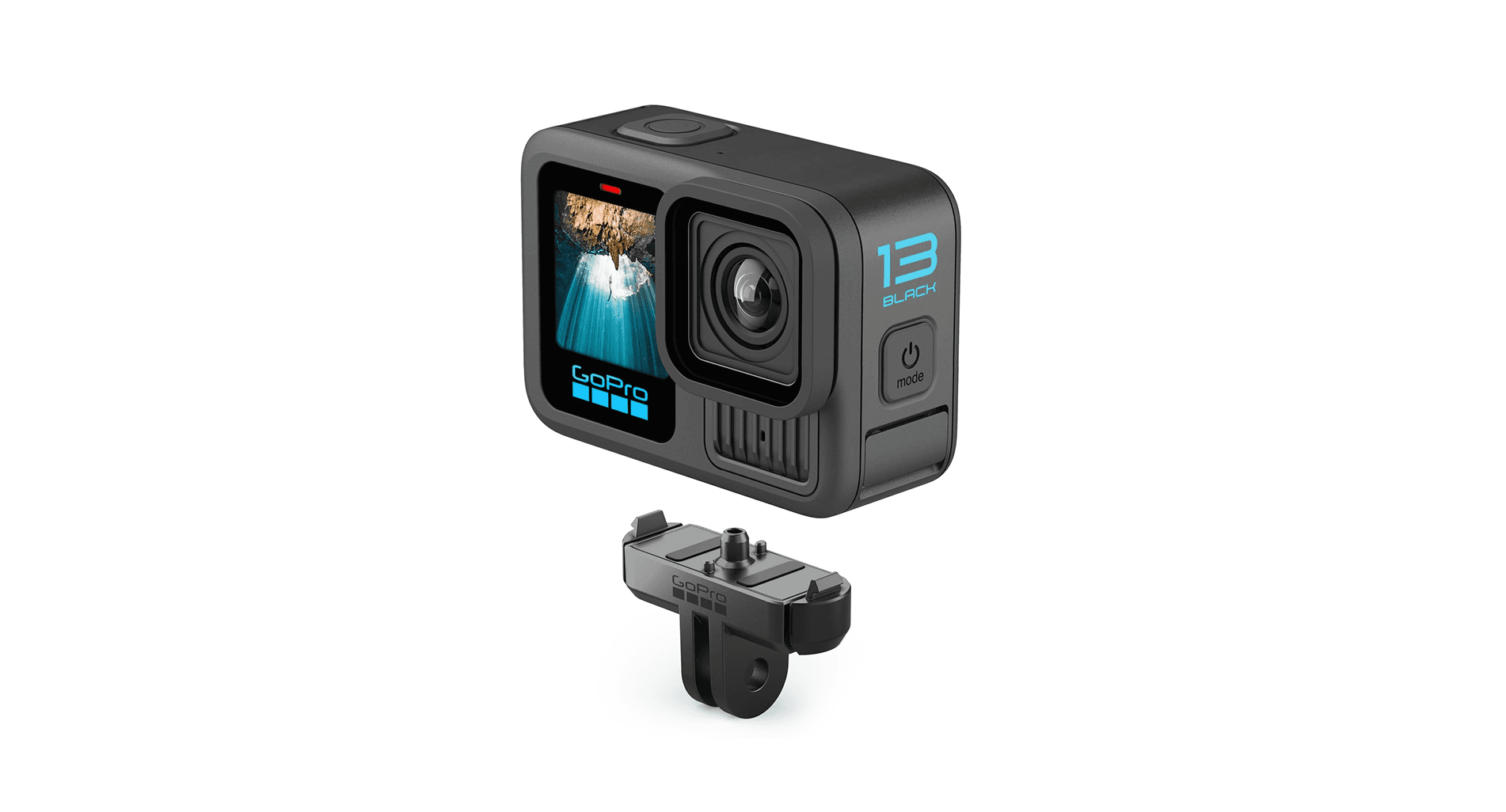
No list of video-capable wearables would be complete without GoPro. While not strictly a "wearable" in the smart glasses sense, the HERO13 Black's revolutionary mounting system and compact form factor make it one of the most versatile body-worn cameras available in 2026.
Magnetic Latch Revolution: The new Magnetic Latch Mounting system represents GoPro's biggest innovation in mounting technology. The quick dual-latch system securely holds the camera in place, while a simple pinch allows for instant release. Switch from helmet to chest mount to handlebar mount in seconds—or flip the camera 180 degrees to change perspective without unmounting.
Endless Mounting Options: The GoPro ecosystem includes hundreds of mounting options, making it wearable for virtually any activity:
Head strap mounts for headlamp-style POV
Chest harnesses for stable, lower perspective
Wrist and hand mounts for flexible angles
Magnetic pendants for clothing attachment
Helmet mounts for extreme sports
Bike, motorcycle, and vehicle mounts
Recording Powerhouse:
5.3K video at 60fps
4K at 120fps for slow motion
27MP photos with RAW support
Burst Slo-Mo: up to 400fps at 720p
HyperSmooth 6.0 stabilization with 360° Horizon Lock
10-bit HLG HDR video
HB-Series Lens System: The HERO13 automatically detects which lens is attached and adjusts settings accordingly:
Ultra Wide Lens Mod: 177° field of view, 1:1 aspect ratio for easy cropping to vertical or horizontal
Macro Lens Mod: Variable focus as close as 4.3 inches
Anamorphic Lens Mod: Cinematic 21:9 aspect ratio
ND Filter Pack: Smart motion blur control
Extended Battery Life: The new 1900mAh Enduro battery provides up to 2.5 hours of continuous recording. The magnetic charging door allows continuous power via USB-C, perfect for time-lapses or extended recording sessions in challenging conditions.
The Streaming Gap: It's worth noting that despite all its capabilities, the HERO13 lacks built-in live streaming functionality. You'll need the GoPro Quik app and a smartphone for wireless streaming, or third-party solutions for more advanced live streaming needs. This remains one area where dedicated streaming cameras have an advantage.
Key Specs:
Waterproof to 33 feet (10 meters) without case
GPS with data overlay
Wi-Fi 6 for fast transfers
Bluetooth audio connectivity
Timecode sync for multi-camera setups
Compatible with over 60 mounts and accessories
Price: $399
For pure action recording versatility, nothing beats the GoPro ecosystem. The HERO13's combination of image quality, stabilization, mounting options, and rugged reliability makes it essential gear for athletes, adventurers, and content creators who need footage that can survive anything.
The Future of Wearable Video
The wearables showcased here represent more than just the latest gadgets—they signal a fundamental shift in how we capture and interact with the world. Smart glasses with AI assistants, professional body cameras with real-time streaming, and action cameras with intelligent mounting systems are converging toward a future where recording our experiences becomes as natural as seeing them.
Several trends stand out:
AI Integration is Universal: Every device on this list either includes or relies heavily on artificial intelligence. Whether it's real-time translation, scene optimization, or contextual awareness, AI has become the essential companion to the camera lens.
Privacy Remains Paramount: With great recording power comes great responsibility. The best devices include visual indicators when recording, hardware privacy switches, and transparent data policies. VIVE's on-device processing and Axon's encryption standards show that privacy and functionality can coexist.
Ecosystem Thinking: No wearable exists in isolation anymore. Meta's Neural Band, Apple's integration with iPhone spatial video, and Android XR's cross-platform compatibility all demonstrate that the future is about ecosystems, not individual devices.
Form Factor Evolution: We're witnessing the convergence of fashion and technology. Smart glasses that look like Ray-Bans, professional cameras that disappear on uniforms, and behind-the-ear AI companions all represent the industry's commitment to making powerful technology invisible.
The question is no longer whether wearable video recording will become mainstream—it's which form factor and ecosystem will dominate. Will it be Meta's display glasses with gesture controls? Google and Samsung's Android XR platform? Apple's spatial computing vision?
One thing is certain: by the end of 2026, the way we think about recording our lives will look very different than it does today. The devices on this list are just the beginning.

[ Blog ]