
May 12, 2026
ActionStreamer
Why GoPro Can't Cut It for Industrial Live Streaming
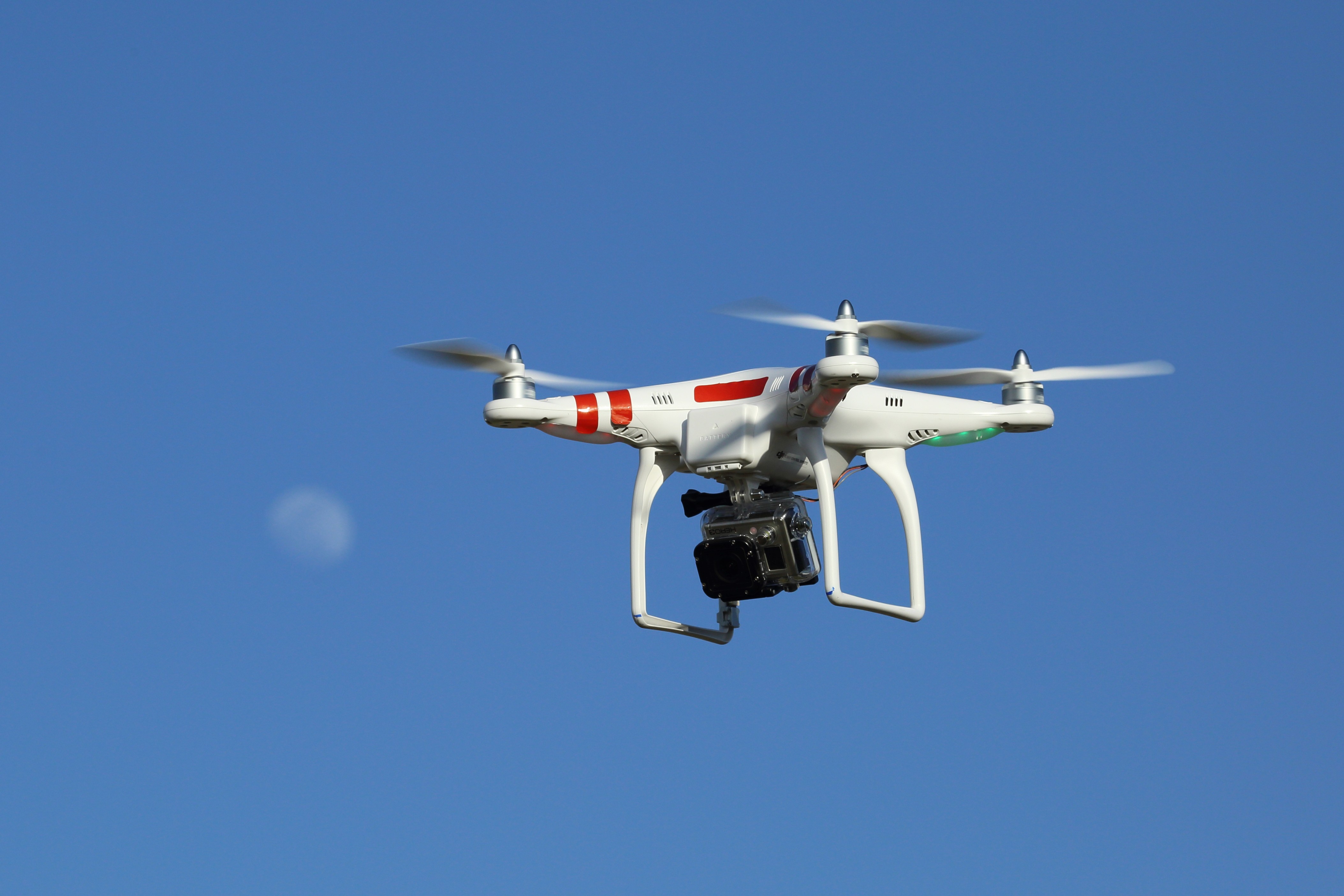
GoPro changed what was possible with a small camera. Strap one to a helmet, a drone, or a dashboard, and you can capture stunning 4K footage almost anywhere. For action sports and consumer content, it's hard to beat. But when industrial and enterprise teams try to push GoPro into mission-critical live streaming workflows, the cracks show fast.
Here's why the world's most popular action camera falls short the moment "record" turns into "stream live."
Built to Record, Not to Stream
GoPro's core architecture is built around capturing footage to an SD card for later use. Live streaming was bolted on as a secondary feature, and it shows. Streams typically rely on consumer Wi-Fi, RTMP destinations like YouTube or Facebook, or a tethered phone hotspot. None of that holds up when a pipeline inspector is deep inside a refinery, a utility crew is at the top of a transmission tower, or a security team is moving through a facility with patchy coverage.
Industrial live streaming demands flexible connectivity –– 5G, Wi-Fi, or bring-your-own-network — paired with ultra-low latency, high-fidelity video, automatic failover, and encrypted transport. GoPro simply wasn't engineered for that stack.
Consumer Assumptions Don't Survive the Field
GoPros are designed around short bursts of capture — a ski run, a dive, a highlight reel. Industrial use looks nothing like that. Field teams need:
Hours of continuous streaming, not 20-minute clips
Hot-swappable power so the camera never goes dark mid-operation
Reliable mounting to ballistic helmets, hard hats, and tactical rigs
Remote management so a control room can configure, start, and stop streams without touching the device
Chain of custody and secure storage for footage that may end up in compliance reviews or legal proceedings
GoPro gives you none of this out of the box. You're left duct-taping accessories, third-party encoders, and phone apps together — and hoping the rig survives a shift.
Latency Is the Killer
For a consumer livestream, a 10 to 30 second delay is fine. Nobody watching a surf session cares. For industrial and tactical live streaming, latency is everything. A remote expert guiding a technician through a repair, a commander watching a team clear a building, or a supervisor monitoring a hazmat response can't work with a half-minute lag. They need ultra-low, glass-to-glass latency measured in hundreds of milliseconds — paired with high-fidelity video sharp enough to read a gauge, identify a defect, or recognize a face.
That's a fundamentally different engineering problem, and it's not one GoPro set out to solve.
Where ActionStreamer Fits
ActionStreamer was built from the ground up for exactly the use cases where GoPro hits a wall. Purpose-built hardware delivers ultra-low latency, high-fidelity live video over 5G, Wi-Fi, or bring-your-own-network — and it ships in multiple form factors to match the job, whether that's a helmet mount, body-worn unit, or fixed deployment.
That flexibility unlocks a range of enterprise workflows GoPro can't touch:
Connected worker video conferencing — field techs can loop in remote subject matter experts in real time, hands-free
Live feeds into analytics and AI — stream video directly to inference pipelines for defect detection, object recognition, situational awareness, or compliance monitoring
Command and control integration — push live video into operations centers, dashboards, and existing enterprise platforms instead of consumer social feeds
The difference isn't that one camera is better than the other. It's that they're solving different problems. GoPro captures the moment. ActionStreamer transmits it — securely, reliably, and in real time — to the people and systems that need to act on it.
The Bottom Line
If your team is reviewing footage after the fact, a GoPro will serve you well. If your operation depends on what's happening right now, you need hardware built for live. Industrial live streaming isn't a feature you can bolt onto a consumer action cam. It's a category of its own, and the tools have to match.
[ Blog ]