
May 5, 2026
ActionStreamer
How Live Video Is Transforming Confined Space Entry
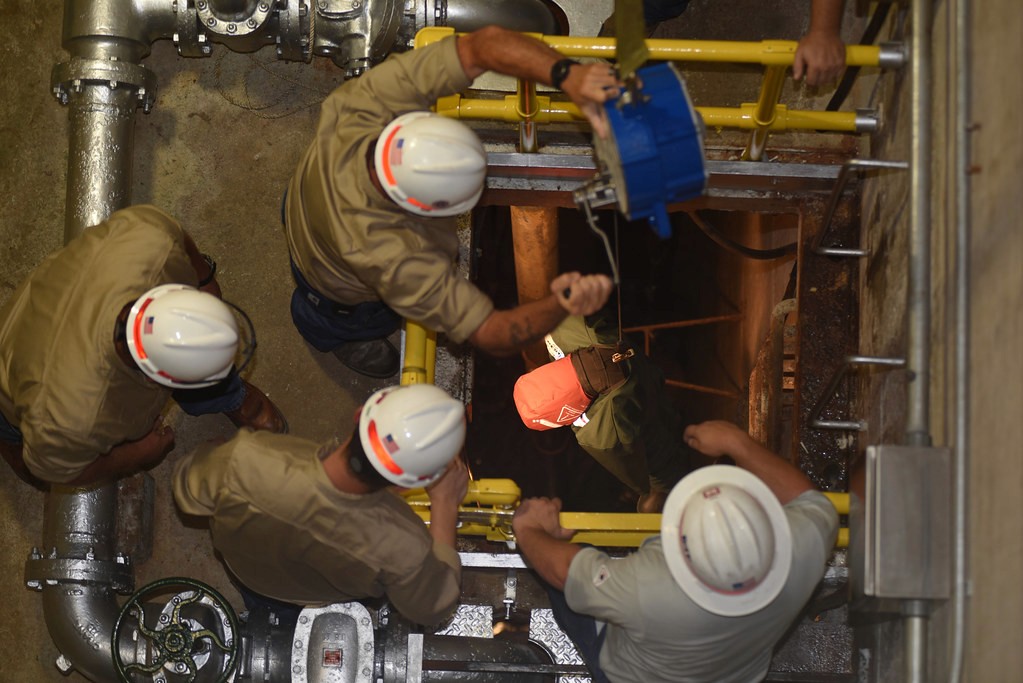
Confined space entry is one of the most tightly regulated, highest-stakes activities in industrial work. Under OSHA's 29 CFR 1910.146, every permit-required entry depends on an attendant stationed outside the space, monitoring entrants and ready to order an evacuation. For decades, that monitoring has relied on a clipboard, a radio, and a voice on the other end describing what's happening inside.
Live video changes the equation. When the attendant can see what the entrant sees, the safety model shifts from inference to direct observation, and the work itself gets faster, better documented, and easier to support remotely.
The Limits of Voice-Only Monitoring
The attendant's job is to monitor authorized entrants and call an evacuation the moment conditions warrant it. But there's a gap in that model: the attendant is making safety-critical decisions based on what the entrant chooses to describe over a radio.
That works until it doesn't. An entrant in an oxygen-deficient atmosphere may not recognize their own impairment. A technician focused on a torque spec may not notice liquid pooling near their boots. Voice-only monitoring assumes the person inside the space is the most reliable narrator of their own situation. Inside a confined space, that's often the worst possible assumption.
What Live POV Video Adds
Wearable, head-mounted streaming cameras give the attendant, and anyone else authorized, to watch the entrant's exact field of view in real time. A few things change immediately:
The attendant sees hazards before the entrant flags them. Atmospheric monitors catch chemical hazards. A live feed catches the rest: corrosion, structural damage, dropped tools, signs of distress in the entrant's movement.
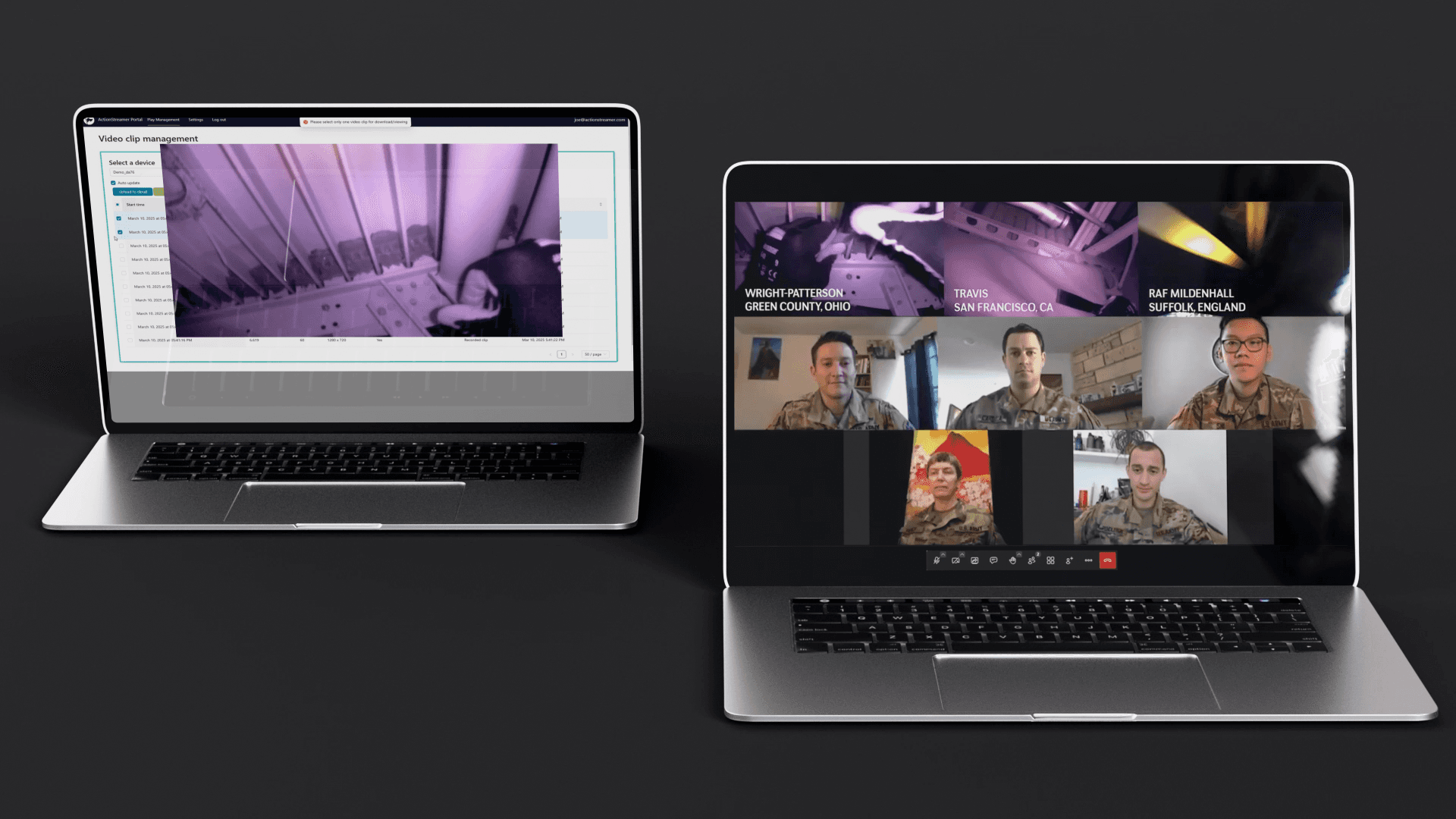
Subject-matter experts don't have to enter the space. Engineers, inspectors, and supervisors can make decisions remotely without putting another body through a permit process or pulling the entrant out for a second opinion.
The permit becomes self-documenting. Recorded video creates an objective record of conditions, work performed, and decisions made — supporting incident investigations, training, and audits in a way handwritten permits never could.
A Practical Workflow
A video-enabled entry looks like this:
Pre-entry. The entrant dons PPE with an integrated wearable camera. Atmospheric testing happens in OSHA's prescribed order: oxygen, then combustible gases, then toxics. The attendant confirms the video feed is live before the permit is signed.
Entry and work. The attendant watches the POV feed alongside their atmospheric readouts. Remote experts join the stream as needed. The entrant works hands-free; direction comes through two-way audio. If anyone in the command layer sees a problem, they can call an evacuation immediately — with video evidence of why.
Post-entry. The recording is archived against the permit. Anomalies become training material or feed the next inspection cycle.
What to Look For in a Wearable System
Not every camera belongs in a permit space. A few requirements separate industrial-grade systems from consumer hardware:
PPE integration that doesn't compromise the certification of the hard hat, respirator, or SCBA it mounts to.
Sub-second latency. A five-second-old feed isn't monitoring, it's watching history.
Reliable transmission in hostile RF environments like steel tanks and underground vaults, whether through mesh, 5G, or hybrid paths.
Offline recording fallback so dropped links don't create gaps in the record.
Multi-viewer command and control — attendant, supervisor, remote SME, and rescue standby all on the same stream.
The Bigger Shift
Confined space entry has always been about closing the gap between what's happening inside the space and what the people responsible for the entrant know about it. Permits, attendants, and atmospheric monitors all exist to close that gap. Live video closes it further than any previous tool, turning the attendant from a passive listener into an active set of eyes, and every entry into a documented, reviewable event.
For organizations running hundreds of permit entries a year, that shift compounds: faster decisions, fewer re-entries, better records, and a meaningful reduction in the number of times anyone has to second-guess what's actually happening on the other end of the radio.
[ Blog ]