

Apr 23, 2026
ActionStreamer
Real-Time Video Intelligence for Warehouses
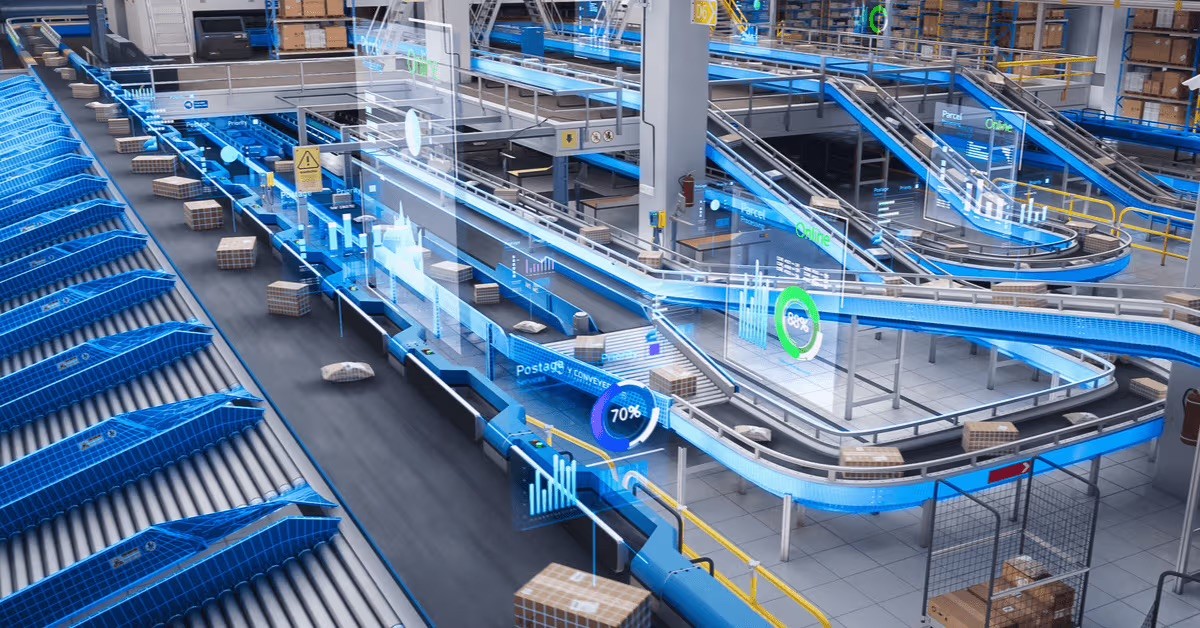
Warehouses and fulfillment centers generate continuous video from fixed cameras, wearable devices, and robot-mounted vision systems. In most facilities, this footage flows to a VMS for security archival and is reviewed only after incidents. The operational data within that video, including workflow events, anomalies, and safety conditions, is not routed to the systems that could act on it in real-time.
Closing that gap requires a core media layer: infrastructure that ingests video from every source, encodes for efficient transport, and routes streams to multiple destinations simultaneously. VMS systems for security. AI inference engines for detection. Analytics platforms for operational visibility. All from the same source, without duplication or latency.
ActionStreamer provides that media layer.
Three Video Sources in the Modern Warehouse
Fixed Camera Infrastructure
CCTV and IP cameras are deployed across dock doors, loading zones, picking stations, inventory shelving, and shipping areas. Installed for security, they also capture workflow patterns, staging anomalies, productivity gaps, and compliance events.
The limitation is architectural. Legacy camera infrastructure was designed to record, not to stream simultaneously to multiple destinations. Routing the same feed to a VMS for security and an AI engine for inference, without duplication or bandwidth waste, requires a transport layer those systems weren't built to provide.
Wearables and Mobile Devices
Floor associates carry mobile devices, scanners, and increasingly body-worn cameras. These wearables capture first-person perspectives that fixed cameras cannot: the picker's hand position, the moment of SKU selection, the staging sequence, the conditions experienced at ground level.
Wearable video is operationally rich but technically demanding. Streams come from moving sources, across networks with variable coverage and interference. ActionStreamer wearables are purpose-built for warehouse conditions: ruggedized hardware, efficient encoding, and resilient streaming.
Robot Cameras
AMRs, item-picking systems, and vision-guided equipment carry cameras as part of their operational stack. Unlike security cameras, these are operational by design: they drive navigation, gripper control, and exception handling in real-time.
The challenge is extraction. Robot video has historically been locked inside proprietary ecosystems, used only for internal task control. Once that video is unlocked, robots become real-time operational intelligence sources, feeding remote operations, predictive maintenance, and workflow analytics.
ActionStreamer: The Core Media Layer
ActionStreamer is built to ingest video from a range of sources and route it to a range of destinations in real-time. It's designed to sit at the transport layer of a warehouse video stack.
Fixed cameras, wearables, and robot-mounted cameras can each feed into ActionStreamer through common streaming interfaces. From there, the same source can be directed to multiple destinations in parallel: a VMS for archival, an AI engine for inference, an operations dashboard for live monitoring.
ActionStreamer is the transport layer, not the analytics layer. It's designed to complement existing VMS platforms, AI tools, and robotics ecosystems rather than replace them.
Use Cases
Safety and Compliance
Video from high-risk areas streams to AI models that detect unsafe behaviors as they happen. PPE violations trigger immediate alerts. Falls are detected before workers hit the ground. The same stream archives to compliance systems for full forensic records.
Dock Operations and Shrinkage Prevention
Fixed cameras at dock doors stream continuously to both VMS systems and analytics engines. Door duration anomalies, staging discrepancies, and unusual access patterns trigger real-time alerts rather than post-incident discovery.
Picking and Packing Accuracy
Wearable cameras feed AI models that verify SKU selection, quantity, and bin placement in real-time. Pickers receive immediate feedback on errors before the cost cascade of incorrect picks, returns, and customer complaints can begin.
Robotic Operations Intelligence
Robot camera feeds become available across multiple functions in parallel: remote operators see what robots see during edge cases, predictive maintenance models detect mechanical degradation before failure, and workflow analytics track utilization and bottlenecks.
Workflow Analytics
Video from receiving, staging, picking, packing, and shipping zones streams simultaneously to analytics platforms. Real-time dashboards surface queue spikes, staffing gaps, and equipment idle time as they develop, not in next week's report.
Why Now
Three forces are aligning. E-commerce volume continues to grow while margins narrow and labor costs rise, making real-time optimization an operational requirement rather than a competitive advantage. Edge computing, AI models, modern warehouse networks, and analytics platforms are all production-ready. And the video sources already exist: cameras are deployed, wearables are becoming standard, and robotics adoption is accelerating. What's missing is the infrastructure to connect them.
Conclusion
Warehouse video is shifting from passive recording to active operational data. Fixed cameras, wearables, and robot-mounted cameras already capture the signals operations teams need. The constraint is transport and routing: getting video, in real-time, to VMS systems, AI inference engines, and analytics platforms simultaneously without duplication, latency, or vendor lock-in.
ActionStreamer is the core media layer that solves that constraint. Existing infrastructure stays in place. New capabilities come online without replacement.
[ Blog ]


