May 26, 2026
ActionStreamer
Smart Glasses for Remote Assistance: A Field Tech's Guide
If you fix things for a living, whether that's HVAC units, wind turbines, MRI machines, or factory robots, you already know the routine. You hit a problem you've never seen before. You pull out your phone, balance it on a pipe, call a senior tech, and try to angle the camera with one hand while holding a multimeter with the other. Twenty minutes later, your arm hurts and the expert still can't see what you're pointing at.
Smart glasses are finally killing that workflow. Here's what's actually changed and what it means for frontline work.
What Smart Glasses Actually Do in 2026
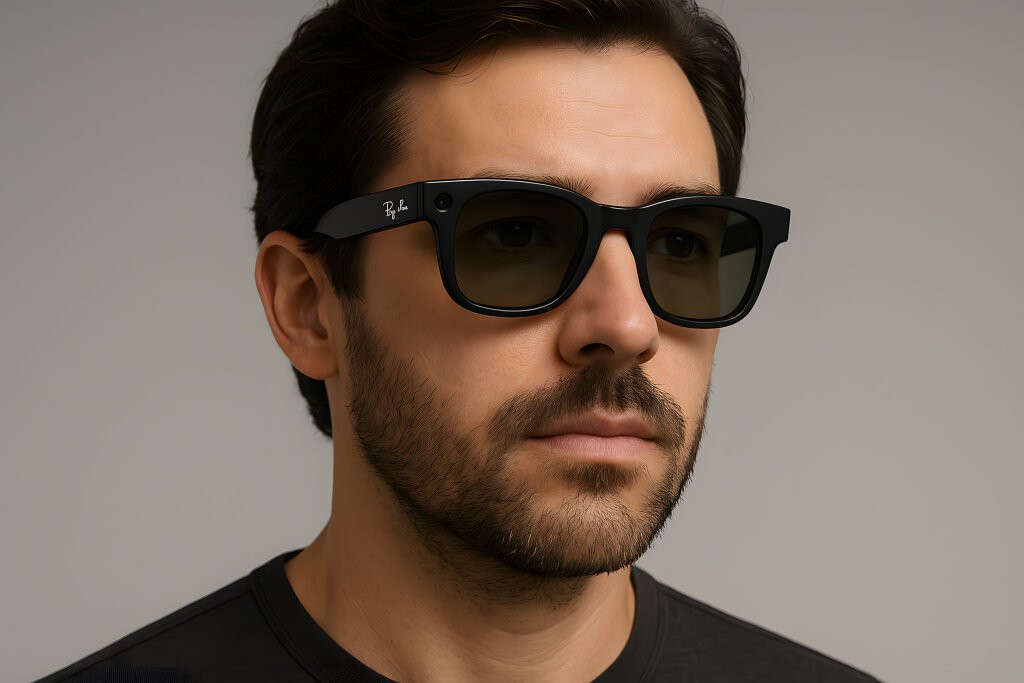
Smart glasses for remote assistance are lightweight frames with a built-in camera, microphone, speaker, and a small display that sits in your peripheral vision. They stream live video of whatever you're looking at to a remote expert. The expert sees your point of view, talks to you through bone-conduction audio, and can drop visual annotations directly into your field of view. Think arrows pointing at the right valve, circles around the bolt you need to torque, or a wiring diagram pinned next to the panel you're working on.
The hardware finally got usable. Batteries last a full shift. Frames are light enough to wear under a hard hat or with safety glasses. And 5G means you can stream HD video from inside a substation or on a rooftop without dropping the call.
The Big Players in Smart Glasses for Field Work
The market sorted itself out over the last couple of years. These are the names you'll hear most often on a job site or in a vendor pitch:
RealWear Navigator Z1. The industrial leader. Ruggedized, voice-controlled, broad compatibility with connected worker software. Built for full-shift wear in tough environments.
Vuzix M400 and Z100. Strong enterprise options with deep workflow software integration. The Z100 is Vuzix's most advanced waveguide display device, designed for field service, warehouse, and healthcare workflows.
Microsoft HoloLens 2. Dominates AR overlay applications, remote expert sessions, and immersive training, especially for teams already on the Microsoft enterprise stack. Heavier than dedicated industrial glasses, so it's better for task-specific use than all-shift wear.
Iristick. The go-to for ATEX-certified hazardous location deployments. If you work around explosive atmospheres or in oil and gas, this is the short list.
Magic Leap 2. Serves advanced engineering AR contexts where high-fidelity 3D overlays matter.
Apple Vision Pro. Just entering early industrial pilots. Not yet a frontline workhorse, but worth watching.
On the software side, the assistance platform matters as much as the glasses. Scope AR WorkLink and TeamViewer Frontline are two of the most common names you'll see paired with the hardware above.
Why Field Techs Are Actually Adopting Them
The pitch from vendors is "first-time fix rates" and "reduced truck rolls." That matters to your boss. Here's what matters to you on the job:
Both hands free. You're not juggling a phone. You can keep wrenching while the expert watches.
They see what you see. No more "no, the other relay, the one on the left." The expert is looking at the same panel from the same angle you are.
Less time on hold. Annotations and shared documentation cut the back-and-forth. If the expert needs to show you a torque spec, it appears in your view instead of getting texted to a phone you can't reach.
Knowledge capture. Sessions get recorded. The next tech who hits the same problem doesn't have to call anyone. They pull up the recording.
Where Smart Glasses Are Working Right Now
Utilities and energy. Linemen and substation techs use smart glasses to loop in protection engineers without leaving the site.
Manufacturing. Plant maintenance crews call equipment OEMs directly, often resolving issues that used to require a flight from Germany or Japan.
Medical device service. Field service engineers on imaging equipment cut downtime on machines where every hour offline costs the hospital real money.
Aviation MRO. Mechanics consult with engineering on AOG (aircraft on ground) situations where pulling out a phone in the hangar is awkward and slow.
What to Push Back On
Not every spec sheet holds up in the field. A few honest caveats:
Battery life still drops fast in cold weather or with heavy AR overlays. Bring a spare battery or a hot-swap pack.
Lenses fog under face shields and respirators. Anti-fog coatings help, but it's still a real annoyance.
Connectivity gaps matter. If you work in basements, tunnels, or rural sites without coverage, ask about store-and-forward mode before you commit to a platform.
Prescription compatibility varies. Some frames clip over your glasses, some require inserts, and some don't accommodate them at all. Check before you order.
Privacy is a real conversation. Recording someone else's facility means getting permission. Know your company's policy before you stream.
What This Means for Your Job
The honest answer: smart glasses make junior techs more productive faster, and they make senior techs more leveraged. One expert can now support five or six field techs in a day instead of two. That's a real shift in how field service teams get structured.
Smart glasses don't replace experience. They compress the time it takes to get there. If you're early in your career, this tech is on your side. You'll close tickets you couldn't have closed alone, and the recordings become your training library. If you're a senior tech, your expertise just got more valuable, not less.
The phone-balanced-on-a-pipe era is ending. Worth knowing what's replacing it.